
I had the luck of my first job in healthcare being at one of the most well-known and respected healthcare organizations in the world. There are a thousand examples of how I witnessed excellence during my time at The Cleveland Clinic. My days involved lots of meetings, and one thing about working in a hospital is that it’s often scattered across the medical campus, and in the case of the 173-acre Cleveland Clinic Main Campus, this meant an easy way to reach your 10,000 steps before lunch. Meeting and conference rooms are not centralized, and so there had to be commute time built in over the course of the work day to walk among the over 60 buildings. I personally loved this, with my walks giving me a chance to regroup, prepare and practice upcoming presentations, and let my mind and legs wander a little.
Perhaps the second most impressive feature, behind medical care provided here is the hospitality and environment itself. The hallways and community spaces feel almost....relaxing. As an employee, it was a place that I genuinely loved walking around each day, week after week. The architecture and space planning allows for maximum lightness, and remains open yet comforting, not at all heavy like the emotions that so many of its visitors must feel. It seems expansive, almost like a museum or gallery.
The Clinic also happens to house one of, if not the, the most impressive art collections in a healthcare facility in the world. It's impossible for me to even start touching on the thousands of pieces - including rotating exhibits - that adorn the white walls of the Main Campus where I worked. My twenty minute walks between meetings became a chance to slow down, maybe have a conversation with others looking at the same pieces, in a sense feel more human in a very easily overwelming and confined space.
The Arts in Health is a topic gaining traction, and many hospital systems have collections. The Cleveland Clinics, though, is the broadest and largest in North America. Much like the excellence in health care and its staff, the Clinic also aims for excellence in its environment: Part of the original plan for the medical facility in the early 1900s was the space itself, and a focus on employee creative expression. Modern-day leadership has continued this emphasis, and when starting his tenure as CEO, Toby Cosgrove mandated the walls be painted white, further enhancing the bright, gallery-like atmosphere. The Arts & Medicine Institute was started in 2008 to give a home to the vast art and programming collection housed inside the enterprise. Paired with the clean, open architecture, the space’s energy feels elevated, calm, and inspiring. I hope to see this kind of nonlinear planning and thinking underpin health and healing strategies across the board as we're finally seeing the data on spaces and their influence on healing.
Hospitals are actually often compared to airports, as both operate 24/7, with high-stakes activities, and a mix of visitors, employees, vendors, and an orchestra of behind the scenes moving parts keeping everything running. For those who are lucky to have never spent hours and days and months in a healthcare setting, consider the experience of a delayed flight. Airports that invest in the space are never more appreciated than when you are a captive audience. Suddenly that 'meditation room' is the best part of your afternoon (I’m looking at you, O’Hare), or sitting in front of a light show waiting for your phone to charge. In lots of ways, hospitals serve the same purpose, and it’s the seemingly 'unplanned' moments that make a difference when things don't go according to plan.
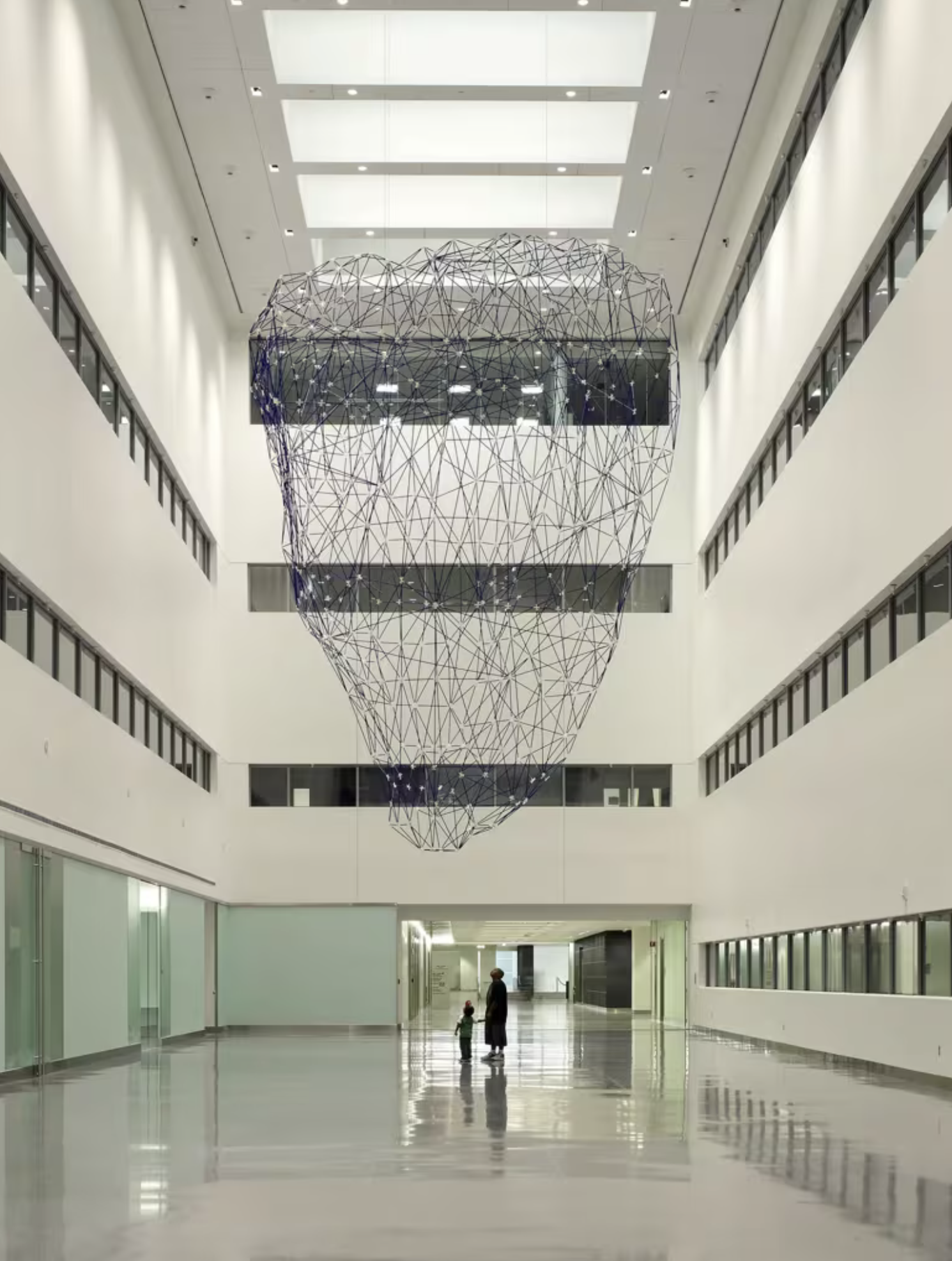
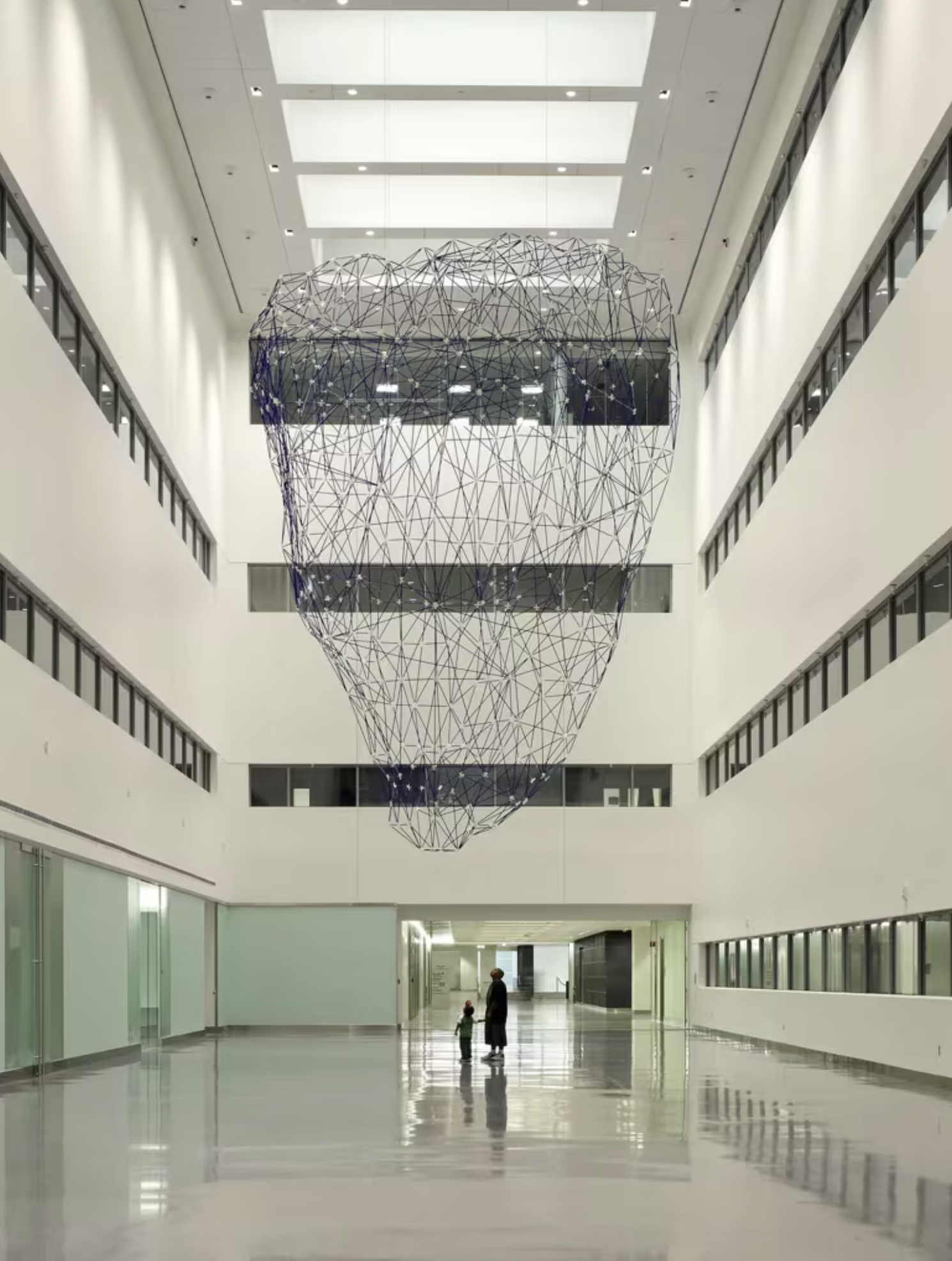
This sculpture and atrium was a favorite alternate office where I'd often come to work when I needed a change of scenery. Some people called it the Iceberg, but it was actually a massive wire sculpture of the heart, one of the top-ranked specialities at the Cleveland Clinic. It was an inspiring thing to do, leave my desk and wander the hallways, taking a break from the Excel spreadsheets and finding a clearer head, more capable and resilient than when I had left.
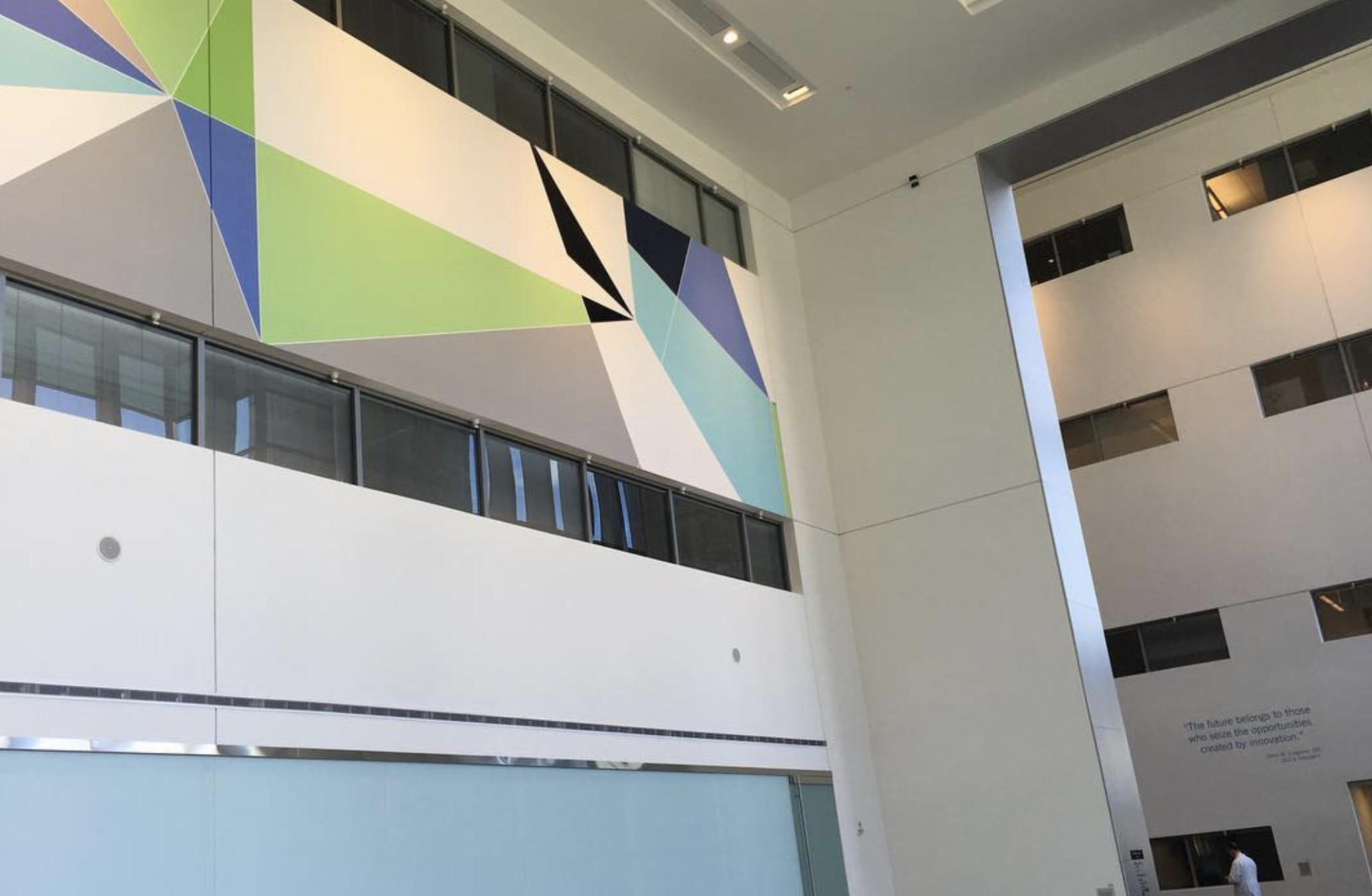
Some of my personal favorite pieces, at the time when I worked there are below. One of these photos is just the vantage point from the hallway desk I was huddled over - nothing exceptionally artistic, just a well-done space with enough shape, color, and typography to keep my eye occupied. Not pictured is also an Employee gallery, where hospital employees - physicians, nurses, and staff can display their own art, something that reflecting back says a lot about the organization - that they were supportive of employees having these kinds of outlets. Fun fact, surgeons are often also fine artists, which makes sense given their ability to remain singularly focused and incredibly attentive to details.

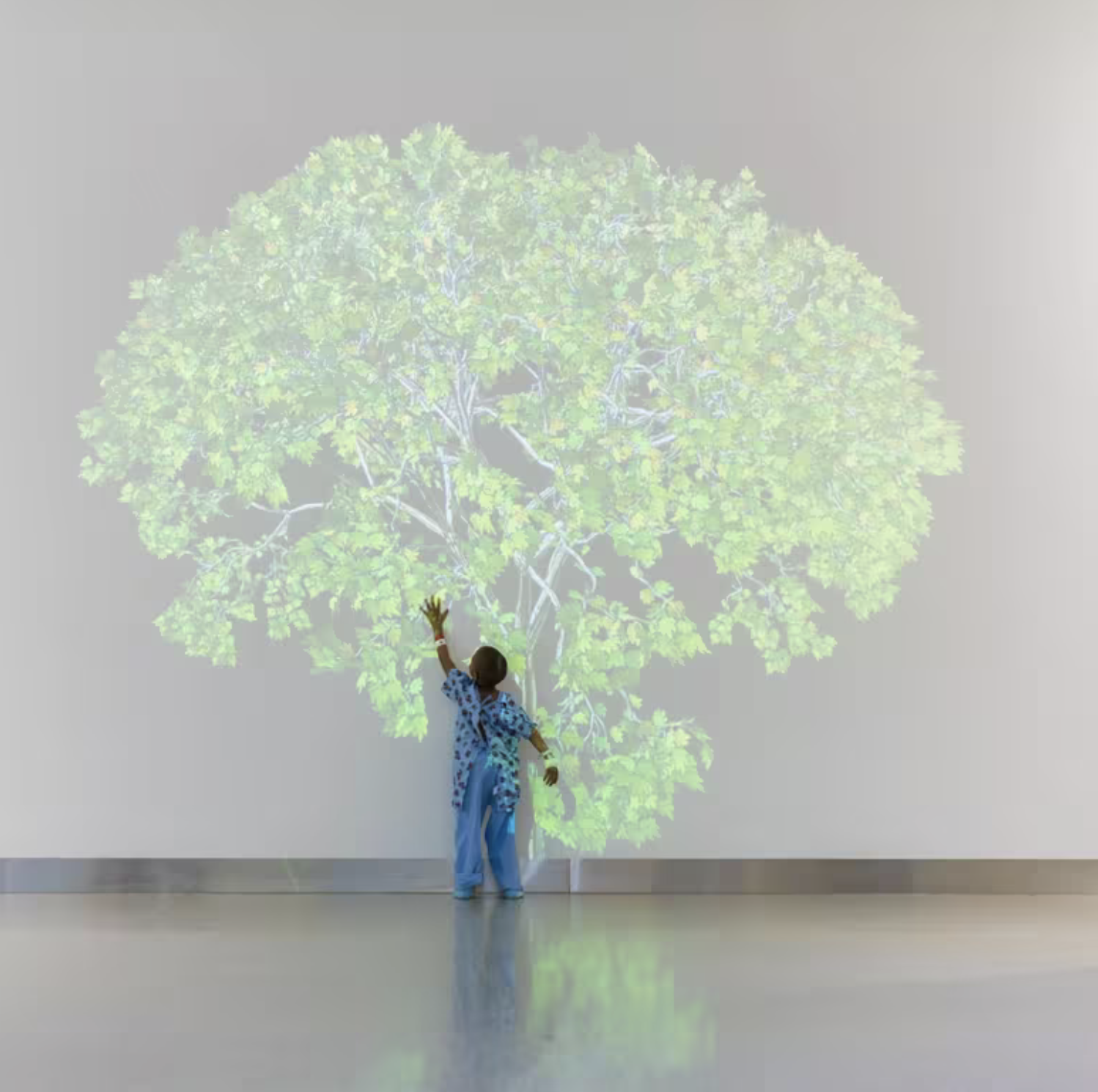
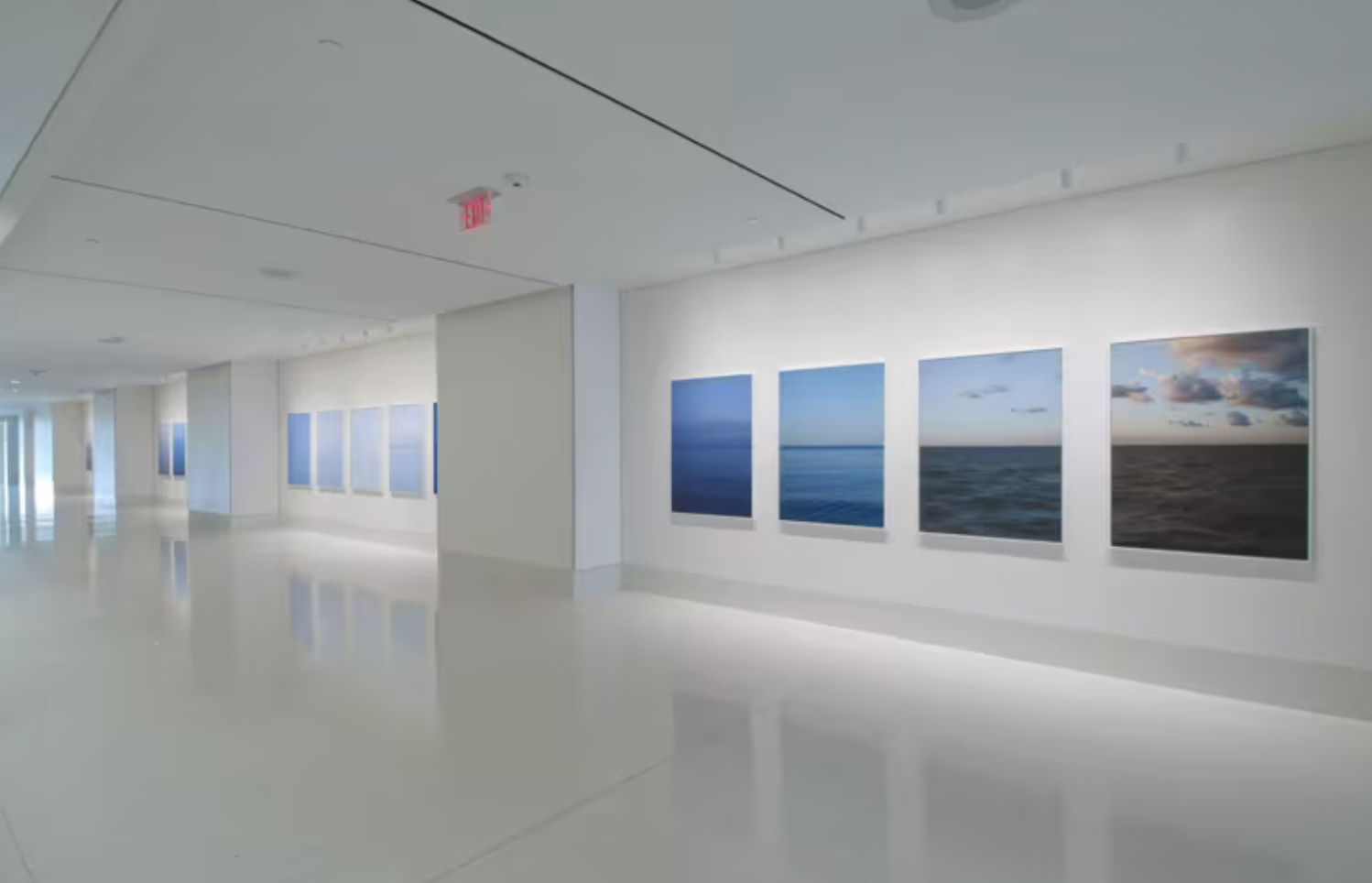
More of the artwork at the Cleveland Clinic can be viewed here, and you can follow on their arts-focused Instagram page.
One memory from my time working here, sometime in 2015, sticks out:
One day, on my half-mile walk from the parking garage to my desk, I was taking the underground tunnel to avoid the snowy, wet Cleveland morning. Wearing boots would require bringing an extra bag and extra pair of shoes, something I hadn't felt like doing that morning. I took the elevator down to the basement with an unusually chatty employee for 7:45am, and as we were talking I saw on his badge which department he worked for: Arts Administration. Having a BFA and background in art, I immediately asked about his job. He was, in fact, an art installer- the person who hangs, removes, and plans the spaces inside of the massive Main Campus footprint. We emailed back and forth, and he sent me information on another program that their department handles: a simple but impactful program that allows a patient, when admitted, to choose from a catalog which artwork can hang in their rooms during their stay. Thousands of hours spent in boardrooms, inside my cubicle long after the sun set as it does early in Cleveland winters, and this connection sticks out. I met hundreds of impressive physicians, surgeons,and executives over the course of my time there, but the art installer who showed up every day, proud and excited to share about his work, left an impression not only about the pride felt across the staff, but in the care and attention to something so small but so impactful in a space that could easily feel sterile.
Design matters. In an era where checking out on screens feels easy, organizations that double-down on real life offer something that a phone could never: tangible moments and real connection to ourselves. I think there's so much opportunity in healthcare spaces as opportunities for connection and ultimately more grounded healing, and I hope one day to be able to impact this more directly, but until then just talking about it feels promising.
Photo Credits:
https://my.clevelandclinic.org/patients/visitor-information/art-collection